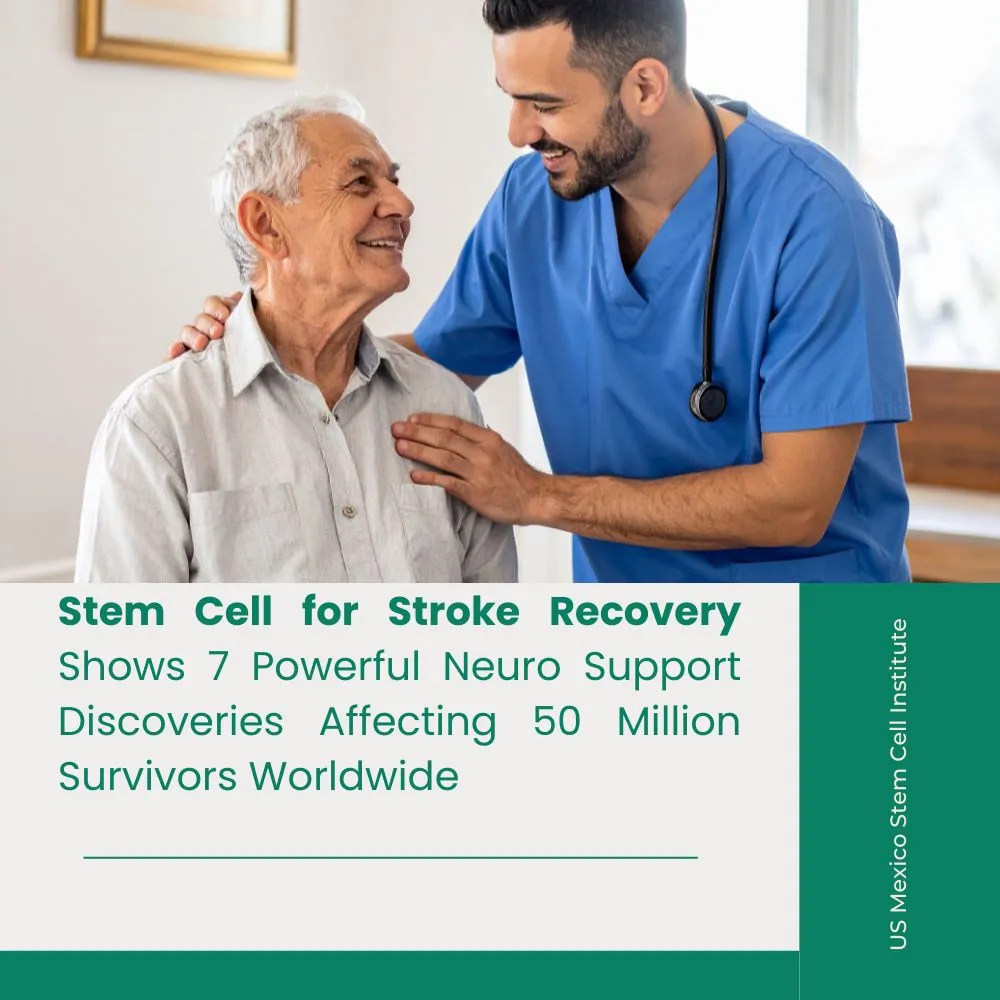
A stroke occurs in an instant, but the journey of recovery is a marathon. Globally, over 50 million survivors are navigating the challenges of regaining mobility, speech, and independence. While traditional physical therapy remains the cornerstone of rehabilitation, a new frontier in regenerative medicine is offering fresh hope.
Recent breakthroughs in stem cell research have identified seven key ways these advanced protocols support neurological health and brain plasticity.
The 7 Neuro-Support Discoveries
1. Enhanced Synaptic Plasticity
The brain has a natural ability to “rewire” itself, a process known as neuroplasticity. Recent studies show that stem cell environments can act as a catalyst, encouraging neurons to form new connections and bypass damaged areas.
2. Reduction of Neuro-inflammation
Chronic inflammation after a stroke can hinder the healing process. One of the most significant discoveries is how stem cells help modulate the body’s immune response, creating a calmer environment that allows tissue to focus on stability rather than defense.
3. Support for Angiogenesis (New Blood Vessels)
Recovery requires oxygen and nutrients. Science has shown that certain protocols can support the formation of new micro-vessels, improving blood flow to the regions of the brain that need it most for repair.
4. Cellular Signaling & “The Bystander Effect”
Stem cells don’t just replace cells; they act as “command centers.” They release signaling molecules (growth factors) that instruct the brain’s existing cells to begin their own repair mechanisms.
5. Protection of the “Penumbra”
The area surrounding the initial stroke site is called the penumbra. Research suggests that early intervention with regenerative protocols can help protect these vulnerable cells from further damage, potentially preserving more function.
6. White Matter Integrity
Beyond the “gray matter,” the brain’s “white matter” (the insulation for our neural wiring) is crucial for speed of thought and movement. New findings highlight how regenerative support can help maintain this vital insulation.
7. Long-Term Neuro-Generation Support
The window for recovery doesn’t close as quickly as once thought. Emerging evidence suggests that the brain remains “primeable” for support even months or years after the initial event when provided with the right biological tools.
A Path Forward in Mexico
For those seeking advanced care, the integration of these scientific discoveries into clinical practice is a reality. At Trinity Stem Cells, we provide a bridge between these global breakthroughs and patient-centered care.
Our facilities in Guadalajara and Monterrey operate with a commitment to Trust & Excellence, ensuring that every protocol is handled by certified personnel in a professional environment.
Conclusion
With 50 million survivors worldwide, the mission is clear: we must continue to explore every avenue of recovery. Stem cell research isn’t just about science; it’s about the person behind the statistic and the possibility of a more independent future.
One Response
The post is god